
AI Governance Lexicon: What Each Term Means, by Instrument
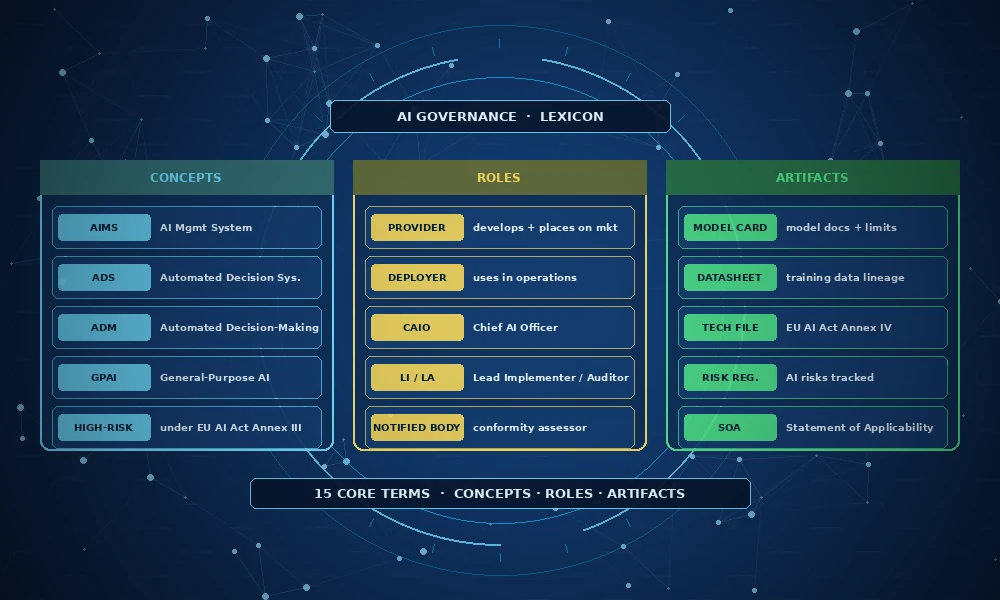
Glossaries fail at AI governance for a structural reason. The terms that cause real compliance failures are not the obscure ones. Nobody misapplies an AI governance duty because they were unsure what a model card is. AI governance programmes break on the ordinary words, because provider, deployer, operator, high-risk and impact assessment each carry a […]
Middle East AI Regulation: Where the Binding Rules Are
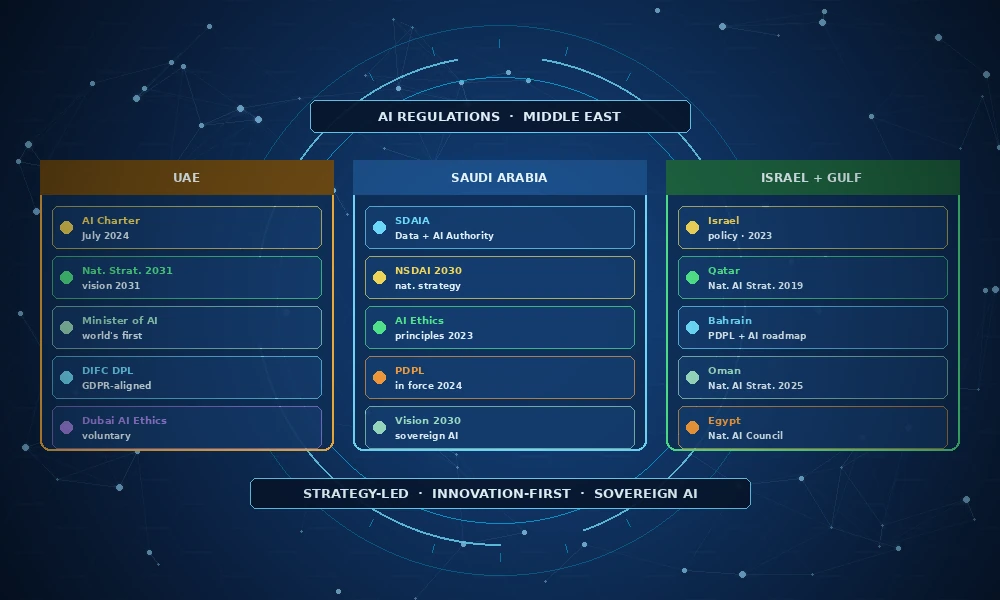
Most coverage of AI regulation in the Middle East stops at a true but useless observation: no Gulf state has passed an AI act. Correct, and it tells a deployment team nothing. Obligations arrive through whichever instrument was already on the books, and in this region that instrument is almost always a data protection law. […]
Which Bias Audit Rules Apply to You, and From When
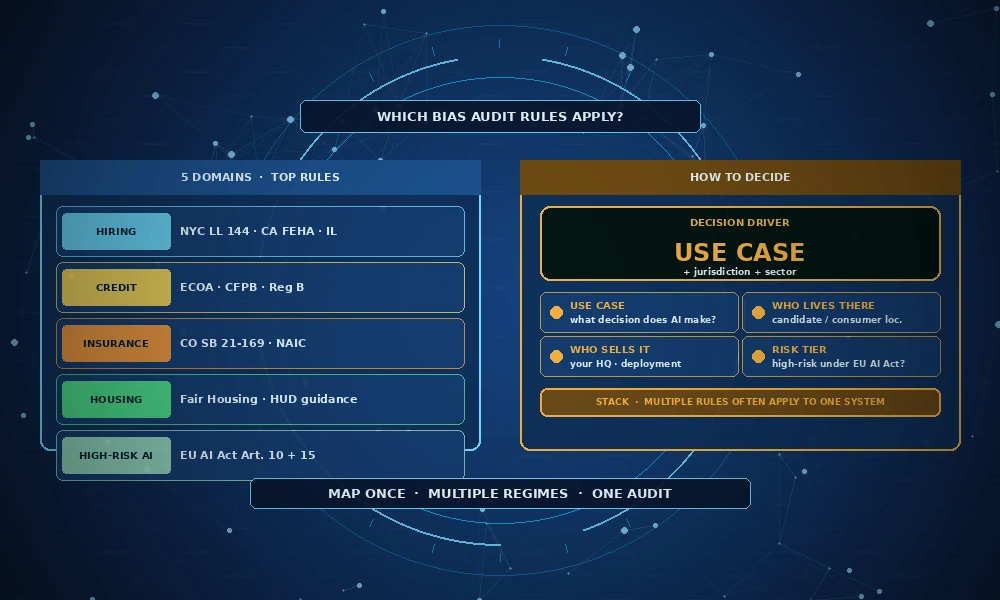
Bias audit duties are far narrower than the market assumes, and the finding reorders most compliance plans. Across every United States and European regime touching AI in employment, exactly one mandates an independent bias audit, and that one is New York City. Everywhere else the duty is notice, documentation, consumer rights or ordinary discrimination liability. […]
AI Post-Market Monitoring: Who Holds the Data You Need
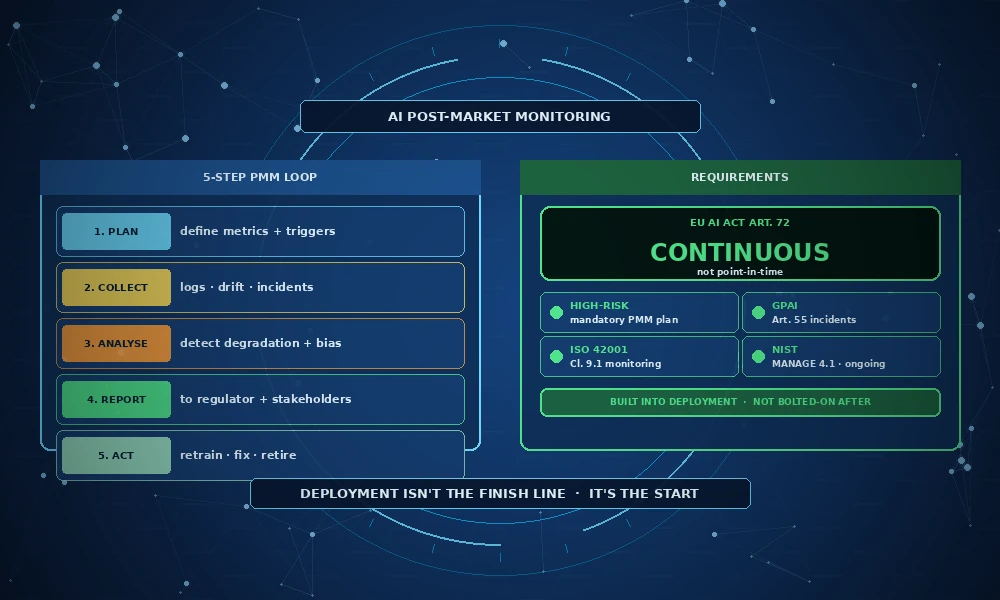
Post-market monitoring reads like a solo obligation. One provider, one system, one plan. Read the sourcing and the picture inverts: the provider owes the duty and holds almost none of the material that discharges it. Operational signal sits with deployers. Logs sit with whoever controls the runtime. Modification history sits with whoever changed the system […]
AI Transparency Requirements: Who Labels What and When
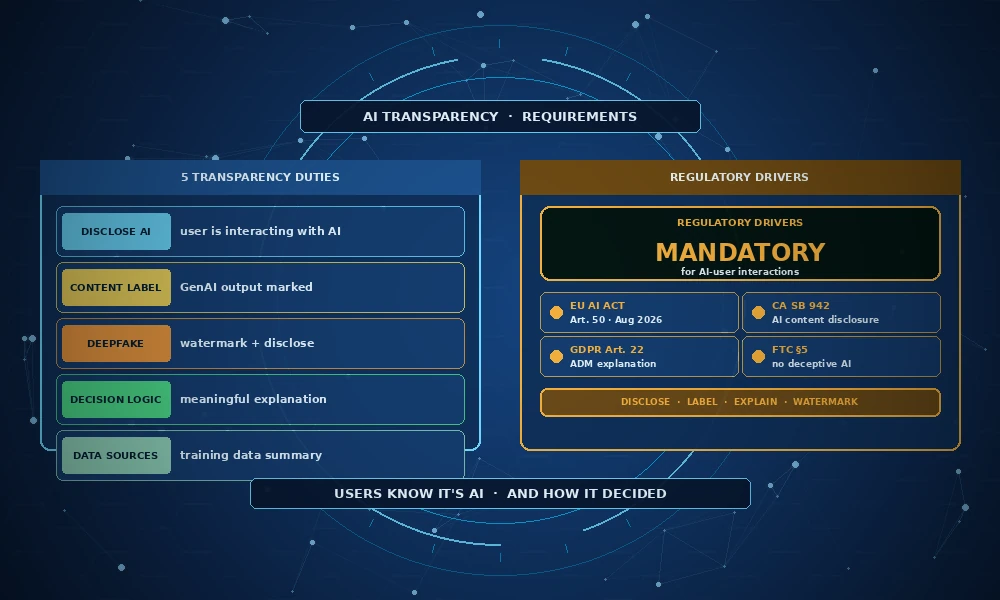
Take one image produced by a generative model on a Tuesday afternoon. The file leaves the model, passes through an editing tool, gets posted by a marketing team, travels across a social platform, and lands on a phone screen. Six different parties touched it. Current law does not ask all six for the same signal. […]
An AI Governance Policy Template Where Every Clause Carries Its Price
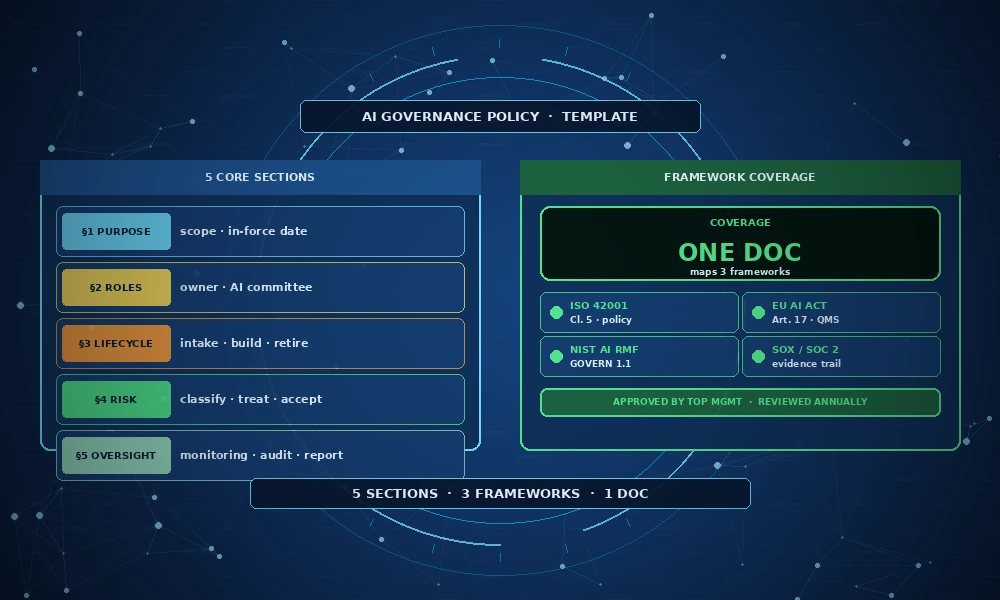
Most AI governance policy templates read like a statement of intent. An auditor reads the same document as a list of promises, picks three or four, and asks what proves them. Certification attempts fail in that gap. A policy saying the organisation maintains an inventory of all AI systems is a commitment to produce that […]
California’s FEHA Automated-Decision System Rules: Eight Defences, Tested Against the Rulemaking Record
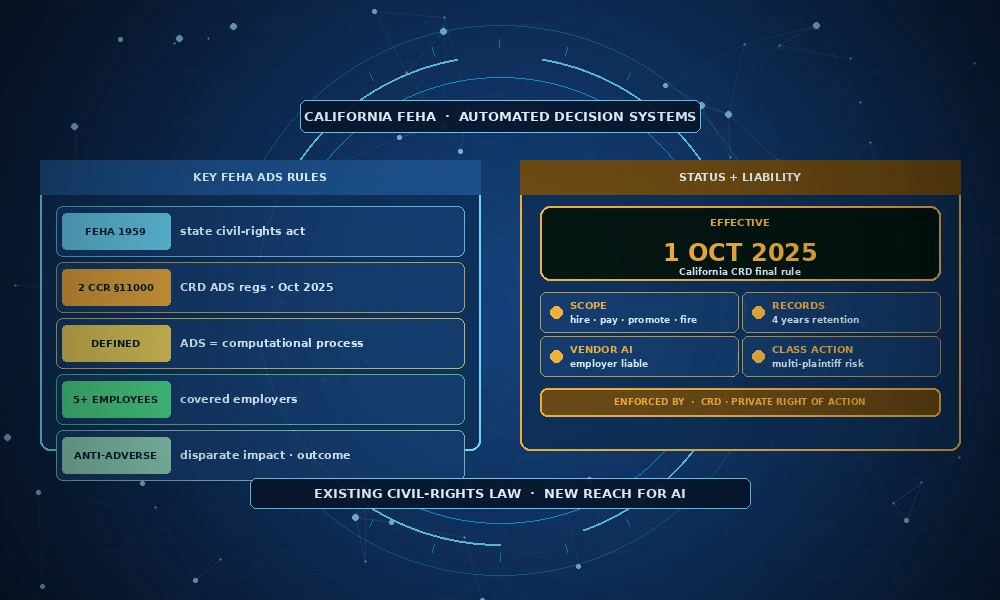
Most coverage of these rules stops at the effective date. A defence lawyer starts somewhere else, at the arguments an employer will actually make when a screening tool produces a complaint, and those arguments are answerable from a document almost nobody reads. The Civil Rights Council published a final statement of reasons running to 256 […]
Colorado SB 21-169: Eight Cross-References in Regulation 10-1-1, Followed to Where They Land
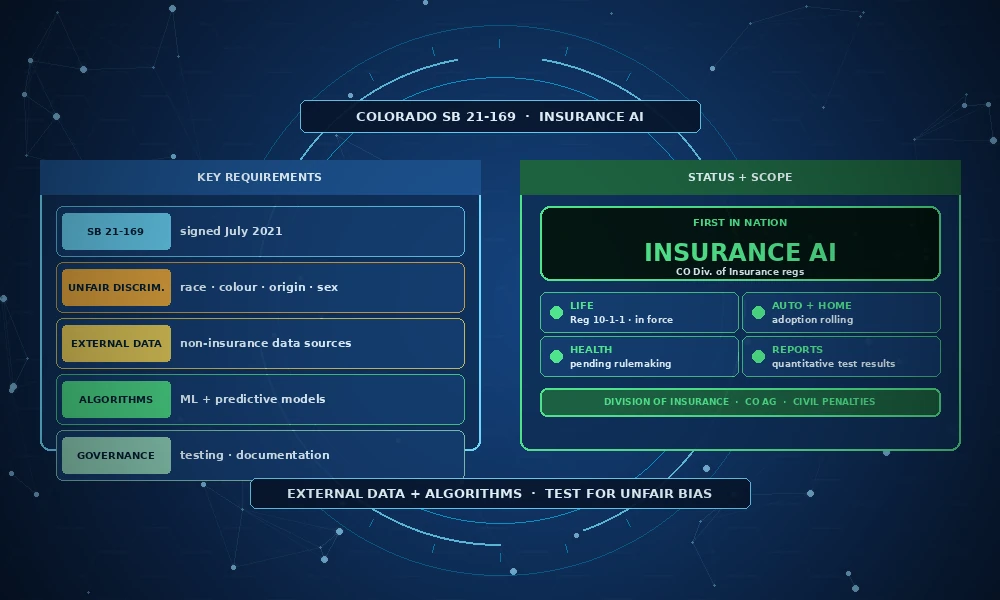
Amended Regulation 10-1-1 is eleven sections long and cites something else in almost every operative sentence. Reading it as a summary produces a compliance plan that is wrong in ways an examiner will find, because the duty is never where the heading suggests. Eight cross-references inside the SB 21-169 rule are followed below, each to […]
The Build or Buy Memo for an AI Governance Platform, Section by Section
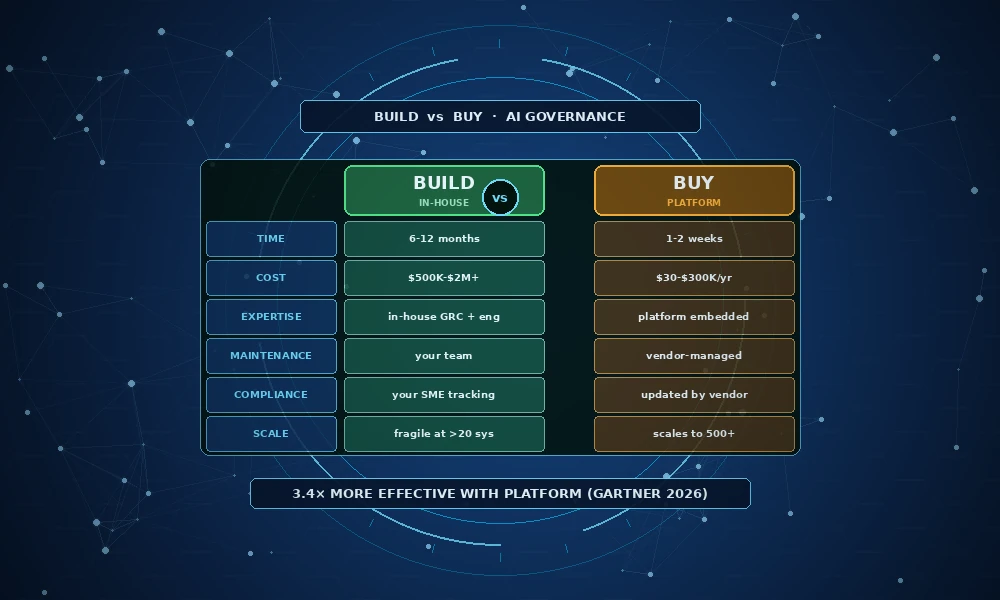
Build or buy decisions do not get approved from a feature comparison. Approval comes from a memo: what is being decided, what it costs across three years, what would change the recommendation, and what happens if the build slips. The governance platform memo below is written once, with our numbers filled in and every input […]
Illinois HB 3773: Four Settled Duties and Four Open Questions
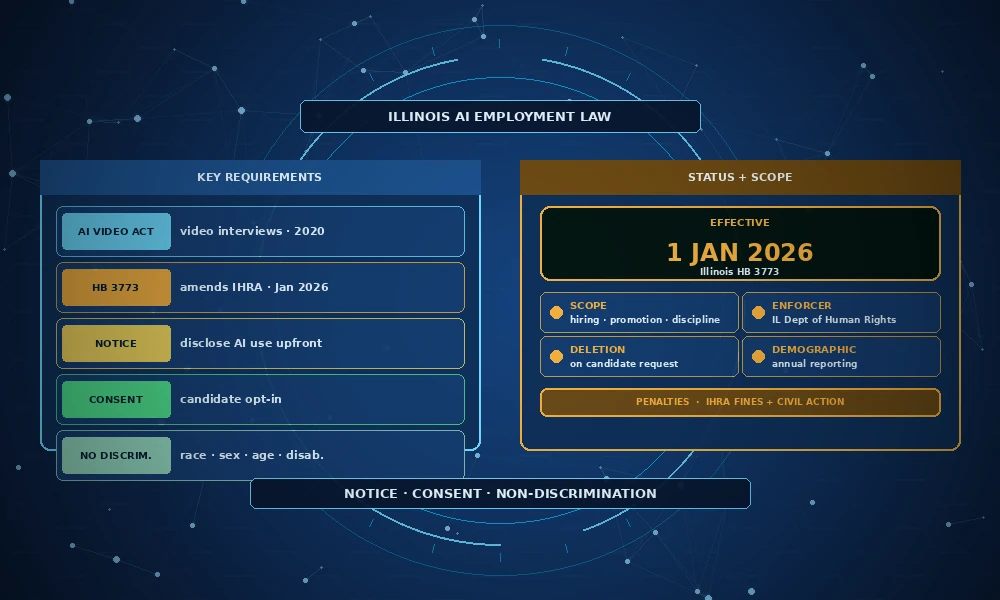
Illinois HB 3773 runs to a few hundred words, and most of the compliance argument now happening in HR and legal teams is about words the statute never used. Reading the enacted text closely separates what an employer can be sure of from what nobody can be sure of yet. HB 3773 settles four duties: […]